EI in the Face of AI
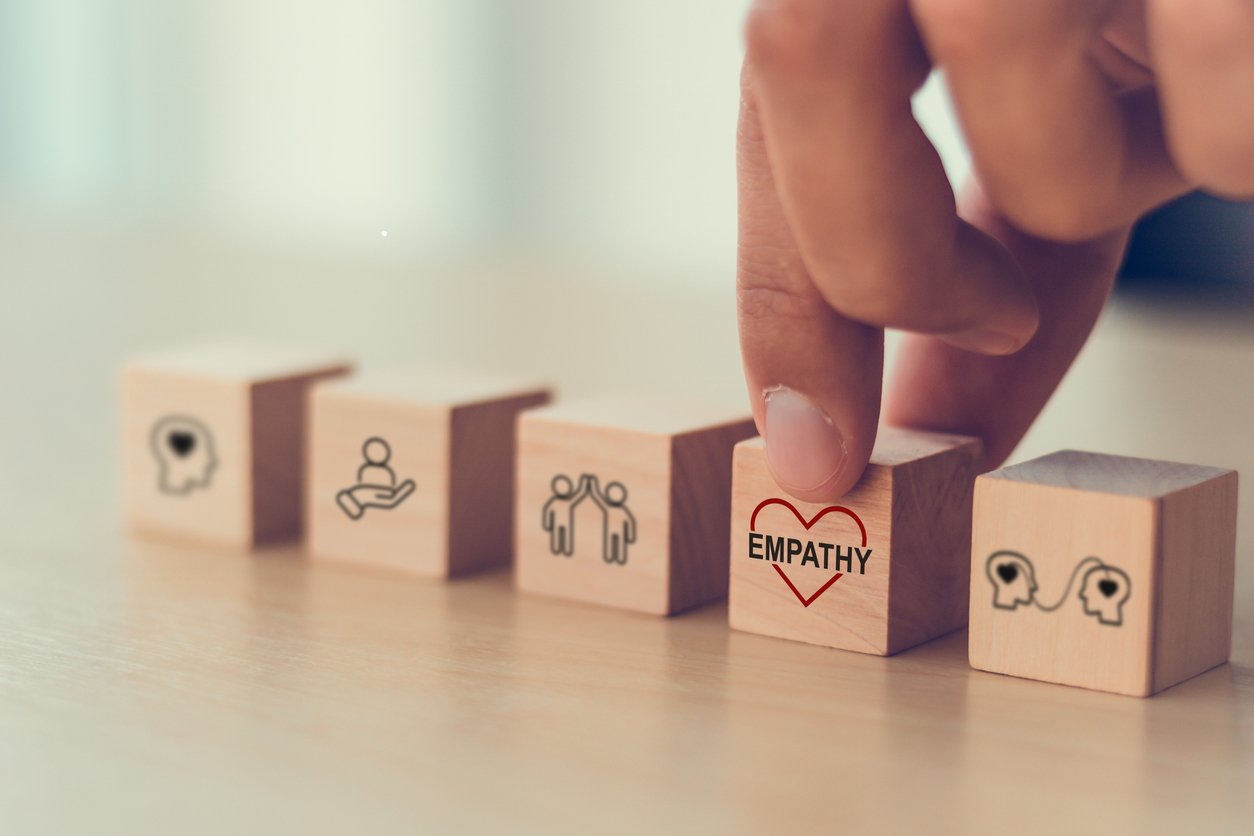
We are living in a moment of extraordinary acceleration. Artificial intelligence is transforming how we work, create, communicate, and solve problems. It can process vast amounts of information in seconds, recognize patterns we might miss, and dramatically increase efficiency and scale.
And yet, in the midst of all this innovation, a quieter truth is emerging: The more powerful AI becomes, the more essential emotional intelligence is.
AI Expands Capability — EI Expands Humanity
AI excels at data, speed, and optimization. EI governs meaning, relationship, discernment, and trust.
Artificial intelligence can generate answers.
Emotional intelligence helps us ask the right questions.
AI can simulate language.
EI allows us to sense tone, intention, impact, and timing.
Without emotional intelligence, increased intelligence does not lead to wisdom. It leads to disconnection, misuse, and overwhelm.
The Real Differentiator Is Not Technical — It’s Relational
As AI becomes more integrated into everyday life, the skills that will matter most are not purely technical. They are human. The ability to:
Regulate emotion under pressure
Listen beyond words
Navigate complexity and uncertainty
Sense what a moment or a person truly needs
Lead with empathy, clarity, and presence
These are not “soft skills.” They are infrastructure skills for the future.
EI Is the Bridge Between Power and Responsibility
Every powerful tool requires an equally evolved inner compass. Emotional intelligence gives us that compass. It helps leaders recognize when speed needs to be tempered with care. When efficiency must be balanced with ethics. When innovation needs grounding in human impact.
Without EI, we risk building systems that are impressive—but not humane. With EI, AI becomes a partner rather than a replacement.
Collaboration, Not Competition
The future is not humans versus machines. It is humans with machines. AI can amplify our reach. EI ensures we remain oriented toward what matters.
When emotional intelligence leads, AI can support creativity, reduce burnout, and free humans to focus on vision, relationship, and meaning. It becomes a collaborator in expansion rather than a driver of disconnection.
Nervous Systems Matter More Than Ever
One of the least discussed aspects of AI acceleration is its impact on the human nervous system. Speed, volume, and constant input can dysregulate even the most capable people. Emotional intelligence allows us to notice when systems—internal or external—are overwhelmed.
EI teaches us how to:
Pause before reacting
Create safety in change
Stay present in uncertainty
Make choices instead of defaulting to urgency
This capacity will define effective leadership in the years ahead.
Leading the Way Forward
The future will not be shaped solely by what we can build. It will be shaped by how we relate—to technology, to one another, and to ourselves. Emotional intelligence is what allows humanity to stay at the center of progress. It is what ensures that intelligence serves life, rather than outpacing it.
As AI continues to evolve, the invitation is clear:
Expand our tools. Yes.
But more importantly, expand our capacity.
Because in the face of artificial intelligence, emotional intelligence isn’t optional. It’s the key.